Quotas, Tariffs and CBAM – How the UK Water Market Will Be Affected
Posted on May 28, 2026Whilst we at FT Pipeline Systems concentrate on coated and lined steel water pipes, the effects of quotas and tariffs on steel imports have been a fact of life for more than a decade. What are the origins of these quotas? What do they mean? What are the risks, and what is CBAM?
The UK Government’s recent announcement that quotas are to be reduced by 60%, alongside an increase in over-quota tariffs from 25% to 50%, will have a significant effect on major infrastructure projects over the coming two to three years and beyond. The premise that these changes, introduced at short notice and due to be implemented from July 2026, will encourage the purchasing of UK steel would only hold water if there were suitable options and manufacturing capacity here in the UK to meet specific requirements. In several markets, that capability simply does not exist. The water sector is one such area, with no UK manufacturing base currently producing spirally wound, DWI-approved steel pipes.
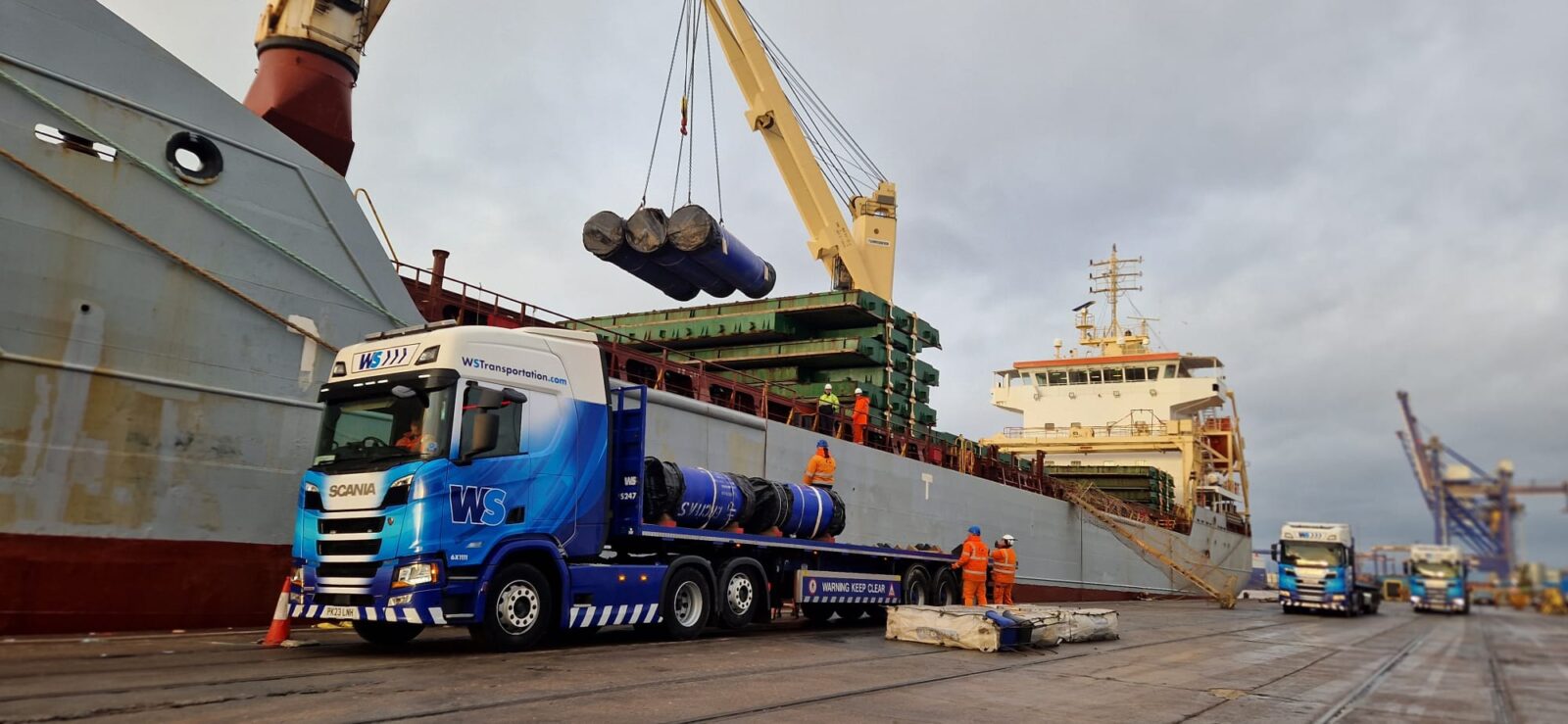
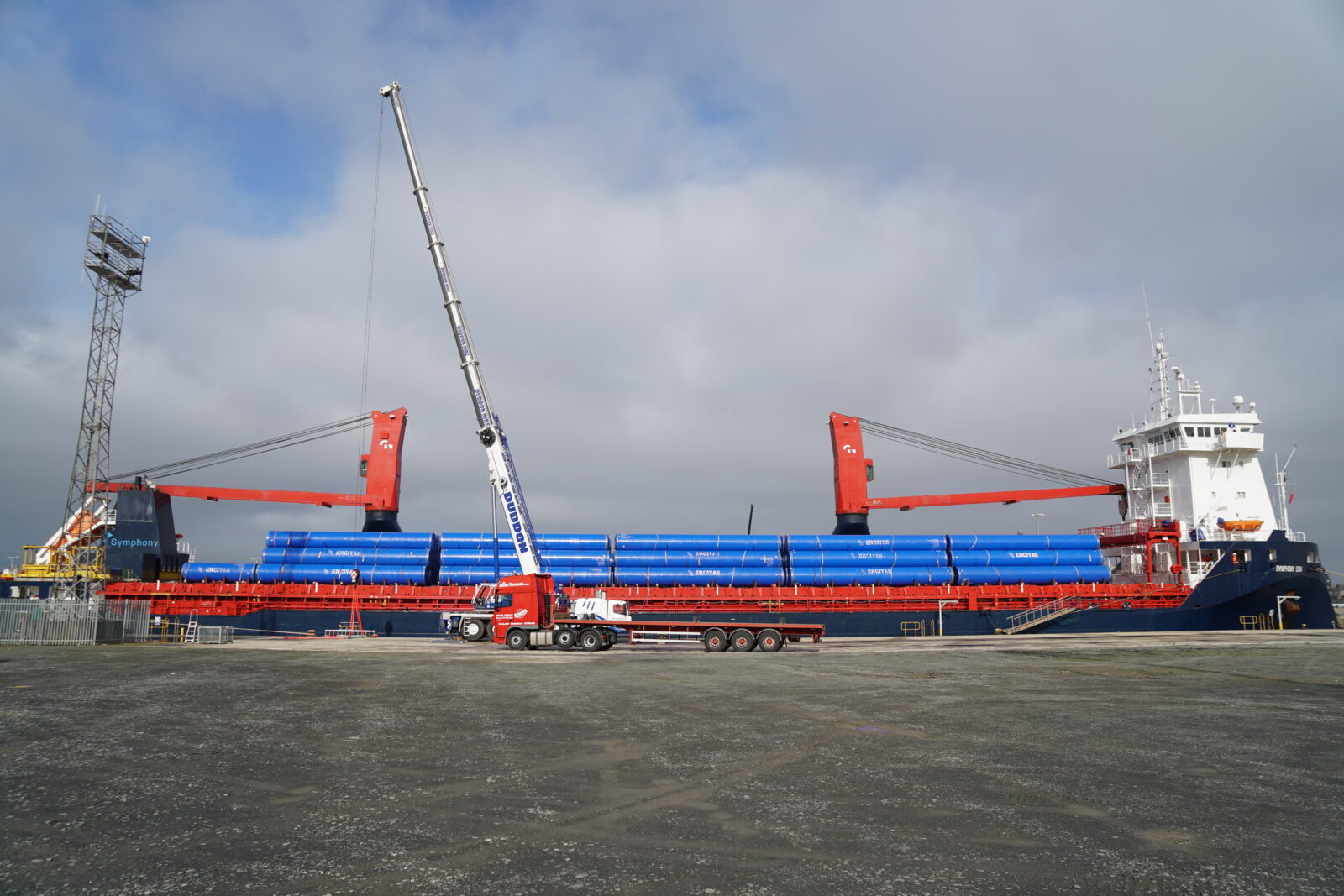
The ambition to increase UK steel production by 30% is one that FTPS broadly supports. However, this must be a targeted approach, aligned with realistic manufacturing capability, rather than a blanket restriction on all steel imports. There are potentially multiple orders already in production that are due to be delivered over the coming months. As an example, FTPS has shipments scheduled for Q3 and Q4 2026 to bring in 32km of 800mm steel pipes for Anglian Water’s SPA project.
PLEASE SIGN THIS PETITION WHICH CALLS FOR A REVIEW OF THE RECENT CHANGES
Urgently review & adjust steel import quota & tariff changes – effective 01/07 – Petitions
Quotas and Tariffs – Safeguarding Manufacturers
Quotas were originally introduced in 2018 by the EU in response to measures implemented by US President Donald Trump, aimed at protecting US manufacturers from cheap imports, primarily from China. The EU subsequently took steps to protect its own steel industry by imposing quotas and over-quota tariffs on imports, preventing low-cost materials from entering the European market. Imports from outside the EU that exceeded quota allocations became subject to a 25% tariff.
The UK Water Industry
Within the water industry, Ejoint/socket pipes – favoured for larger diameter applications and cross-country mains – were only available through three manufacturing routes. DWI Regulation 31 requirements had already limited the available options and, at the time the original measures were introduced, two of those manufacturers were EU-based companies. However, following Brexit in 2019 and the UK’s adoption of a similar quota and tariff framework, the result for the water pipe sector specifically was that no UK-based manufacturing option remained available. The reality is that, in the context of the domestic water market, there are therefore no UK manufacturers being safeguarded.
Investigation into UK Manufacturing Options
Over the last decade, FTPS has successfully navigated these challenges, importing pipework from outside the EU and working closely with clients to manage expectations and deliver projects within restricted tonnage allocations. During this time, FTPS also investigated UK manufacturing options. However, diameter limitations at Tata Steel UK (which only manufactures up to 500mm) together with the focus of Liberty Steel, now recently acquired by Corinth Pipeworks, on more lucrative gas, oil and carbon capture markets, have left little practical capacity for the water sector.
Water company specifications also present additional challenges, beginning with internal linings for drinking water applications and Regulation 31 compliance requirements. The need for end joints (Ejoint/socket), 3LPE coatings and a range of pipe lengths proved commercially unattractive when combined with relatively small quantities of thin-walled mild steel pipe (approximately 1% wall thickness relative to diameter). This was reflected in pricing that exceeded the cost of importing a fully finished product delivered directly to the client’s site.
CBAM
From January 2027, the Carbon Border Adjustment Mechanism (CBAM) will be introduced in the UK. This system is already active within the EU and is intended to combat carbon leakage from external producers whose lower costs may result from less stringent environmental standards. Initial taxation levels are expected to be relatively modest, but the long-term drive to reduce carbon-intensive manufacturing processes will inevitably lead to increasing costs over time – and rightly so, given the significant environmental impact involved.
For UK water authorities, this represents a double impact, as two of the three principal pipe materials – steel and iron – fall within the scope of CBAM. This comes against the backdrop of rising oil prices, which in turn affect the production costs of the third major option: plastic pipe.
The Future
For the reasons outlined above, the UK currently has little or no realistic prospect of manufacturing the coated steel water pipes required by UK water authorities. The demand alone is insufficient to justify the investment needed, particularly when coupled with the challenge of making such manufacturing commercially viable. The alternative is therefore to continue importing for these projects while taking practical steps to reduce carbon dioxide emissions through the use of EAF production methods and by minimising the impact of transportation. Simply imposing additional taxes will not solve the problem – it will only increase costs. Ultimately, those costs will be borne by the taxpayer.
SIGN THE PETITION HERE
Thank you,
FT Pipeline Systems